

Vastu Shastra is the traditional Indian science of architecture and space. Alongside the layout of a house, it offers guidance on where sacred images and meaningful objects are best kept — which direction a statue should face, which corner suits water or fire, and which rooms to avoid.
This guide brings together the placements our customers ask about most: Buddha statues, Ganesha and other deity murtis, the home mandir, the tulsi mandap, animal statues, water features, lamps and plants. Each section links to pieces in our collection that suit the placement.
The eight directions in Vastu, briefly
Vastu assigns each direction an element and a character. Most placement advice follows from these associations, so it helps to know them before deciding where a piece belongs.
- Northeast (Ishan) — water and spirit; the most sacred corner, kept clean, open and light.
- East — the rising sun; new beginnings, health and clarity.
- North — associated with Kubera and prosperity; good for growth and steady fortune.
- Southeast (Agneya) — fire; lamps, candles and the kitchen.
- South — stability and rest; heavier furniture rather than sacred images.
- Southwest (Nairutya) — earth; weight, grounding and permanence.
- West — gain and fulfilment; an accepted secondary direction for deities.
- Northwest (Vayavya) — air; movement, guests and change.
Where to place a Buddha statue
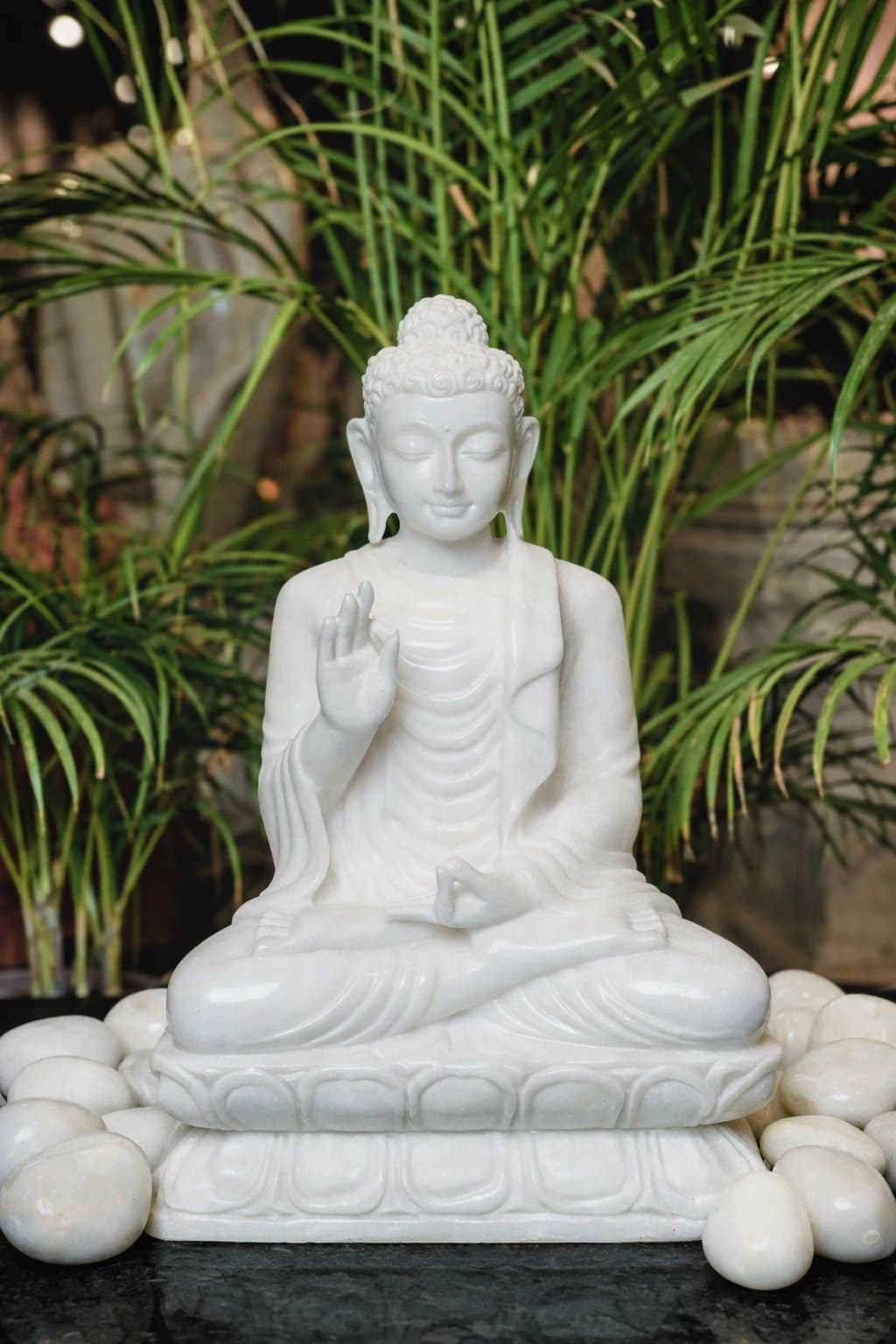
The North and Northeast are the traditional places for a Buddha statue. Many families place it facing the main entrance, so the calm of the figure is the first thing that greets everyone who enters. The living room, foyer and a meditation corner are all considered fitting rooms.
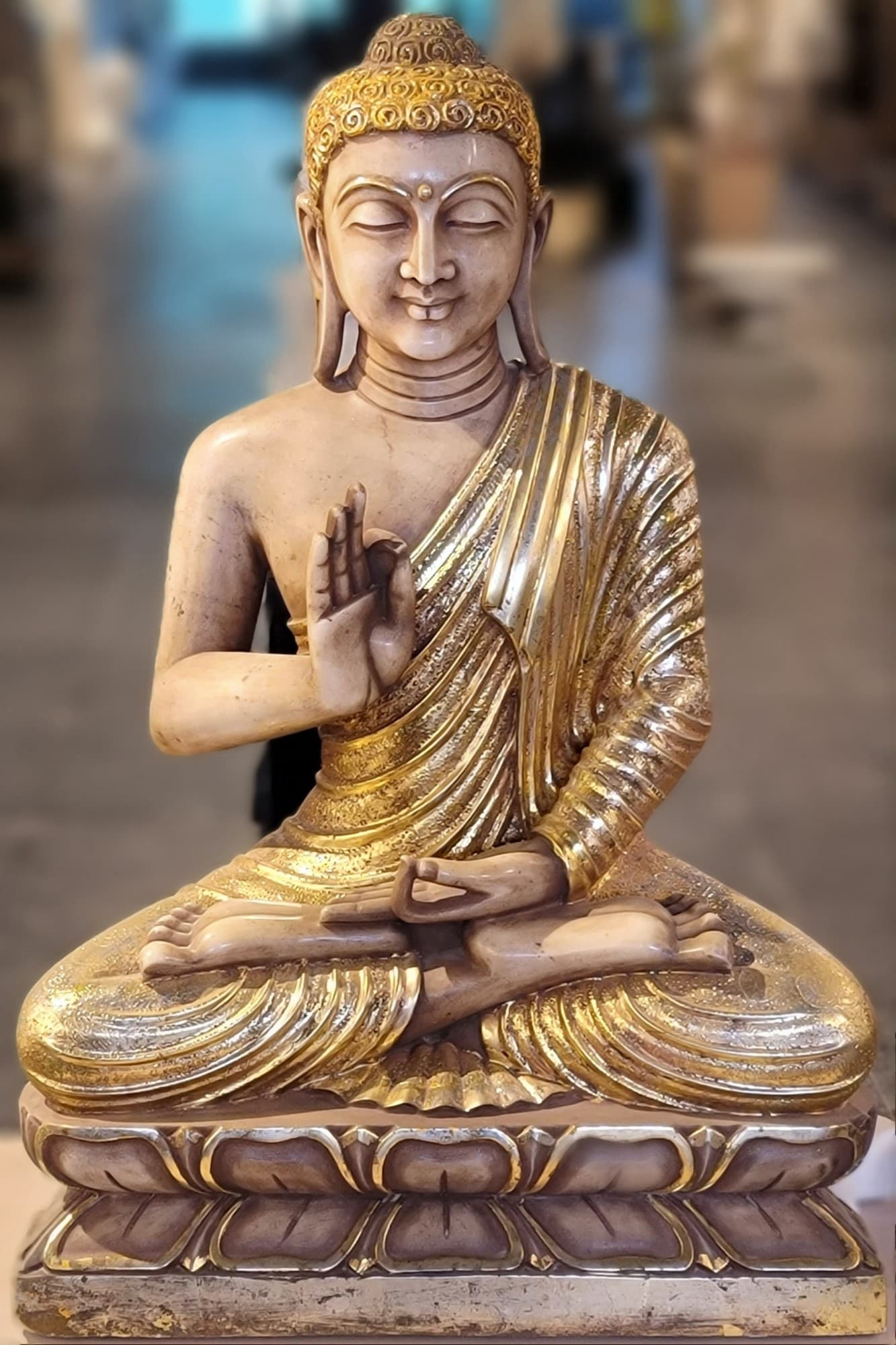
In a garden, the Northeast corner of the yard is the favoured spot for a seated or meditating Buddha, turned to face the house so that its settled presence is directed indoors. Earthy sandstone is also traditionally suited to the Southwest.
Choose the pose with the room in mind. An Abhaya Buddha, with the right hand raised in protection, suits an entrance. A meditating Buddha belongs in a quiet corner. A restful or sleeping figure is the one form usually considered suitable for a bedroom.
- Raise the statue on a stand, table or plinth rather than setting it directly on the floor.
- Keep the head at or above eye level when you are seated in the room.
- Avoid bathrooms, the kitchen, under a staircase and beside shoes or clutter.
- Keep the space around the statue clean and uncluttered.


Ganesha and other deity murtis
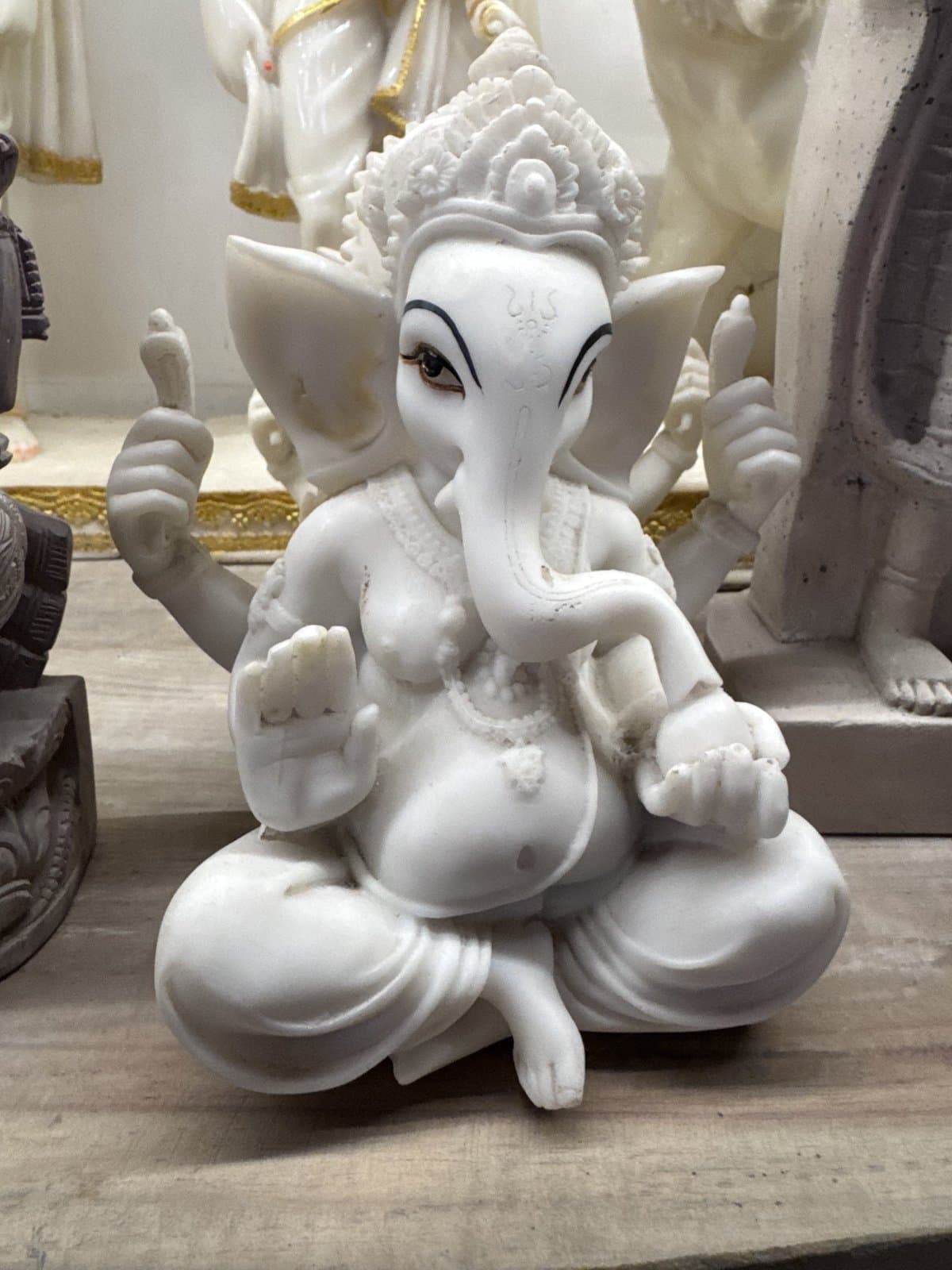
Lord Ganesha, the remover of obstacles, is traditionally placed in the Northeast, North or West of the home — ideally in the pooja room, or near the main door facing the entrance from inside, so he welcomes every new beginning.
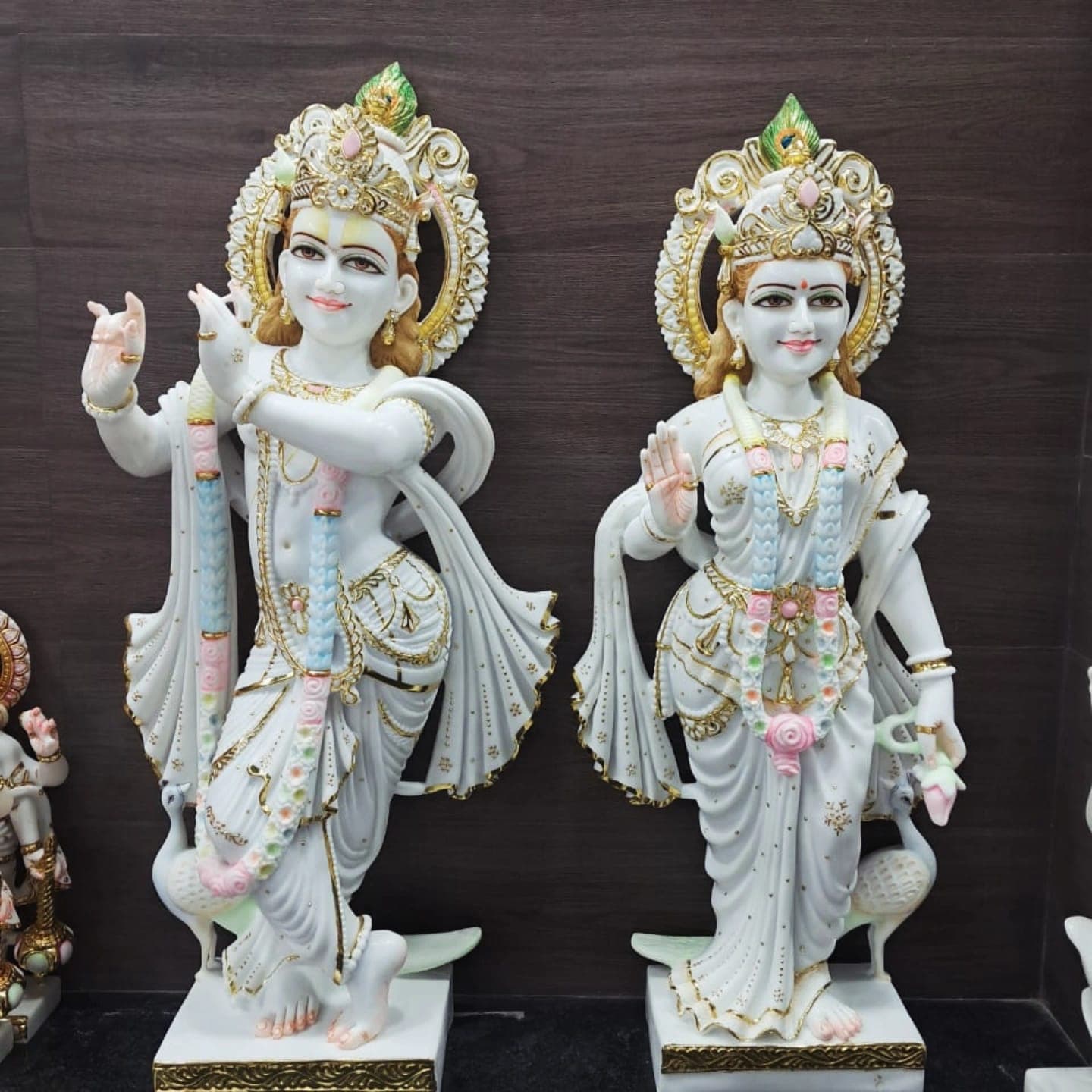
Radha Krishna, as a symbol of divine love, is usually kept in the Northeast or the pooja room facing East or West. The living room is also considered auspicious for the pair.
For all deity murtis, bedrooms and walls shared with a bathroom are traditionally avoided. Keep the murti slightly raised, clean, and where it can be seen and honoured each day.
Browse deity statues →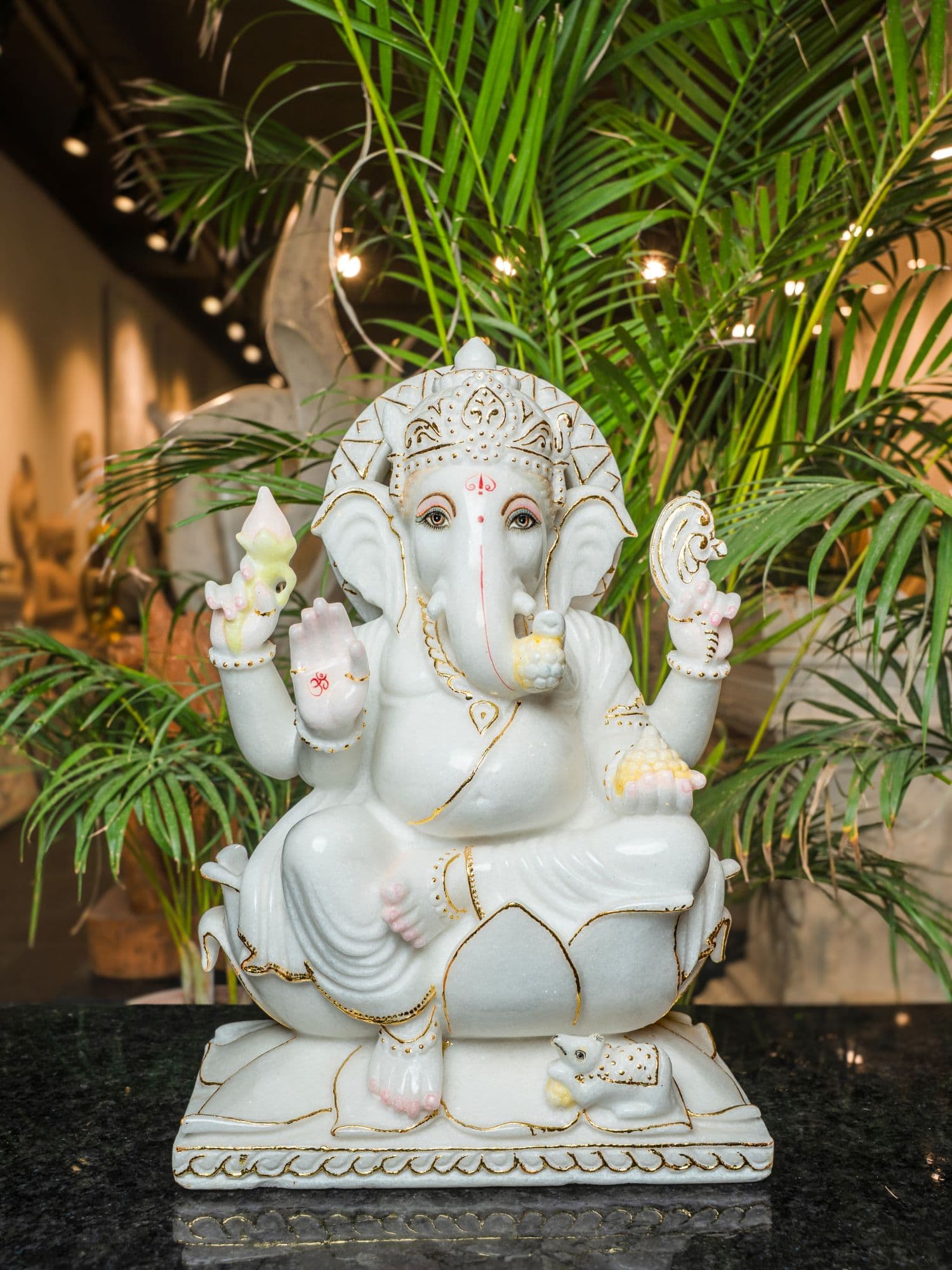
The home mandir (pooja mandir)
The Northeast (Ishan) corner is held to be the most sacred place for a home mandir. Deities inside the mandir are usually arranged to face East or West, so the person praying faces East or West as well.
If the Northeast is not available, many households use the East or North of the home. Wherever it stands, the mandir should feel like a calm, dedicated space rather than a shelf among other objects.
- Avoid placing the mandir under a staircase.
- Avoid a wall shared with a bathroom.
- Avoid the bedroom; if space requires it, many families close the mandir with doors at night.
Tulsi plant and tulsi mandap
The tulsi (holy basil) plant is considered highly auspicious. It is traditionally grown in the East, North or Northeast — ideally in a courtyard, balcony or entrance that catches the morning sun.
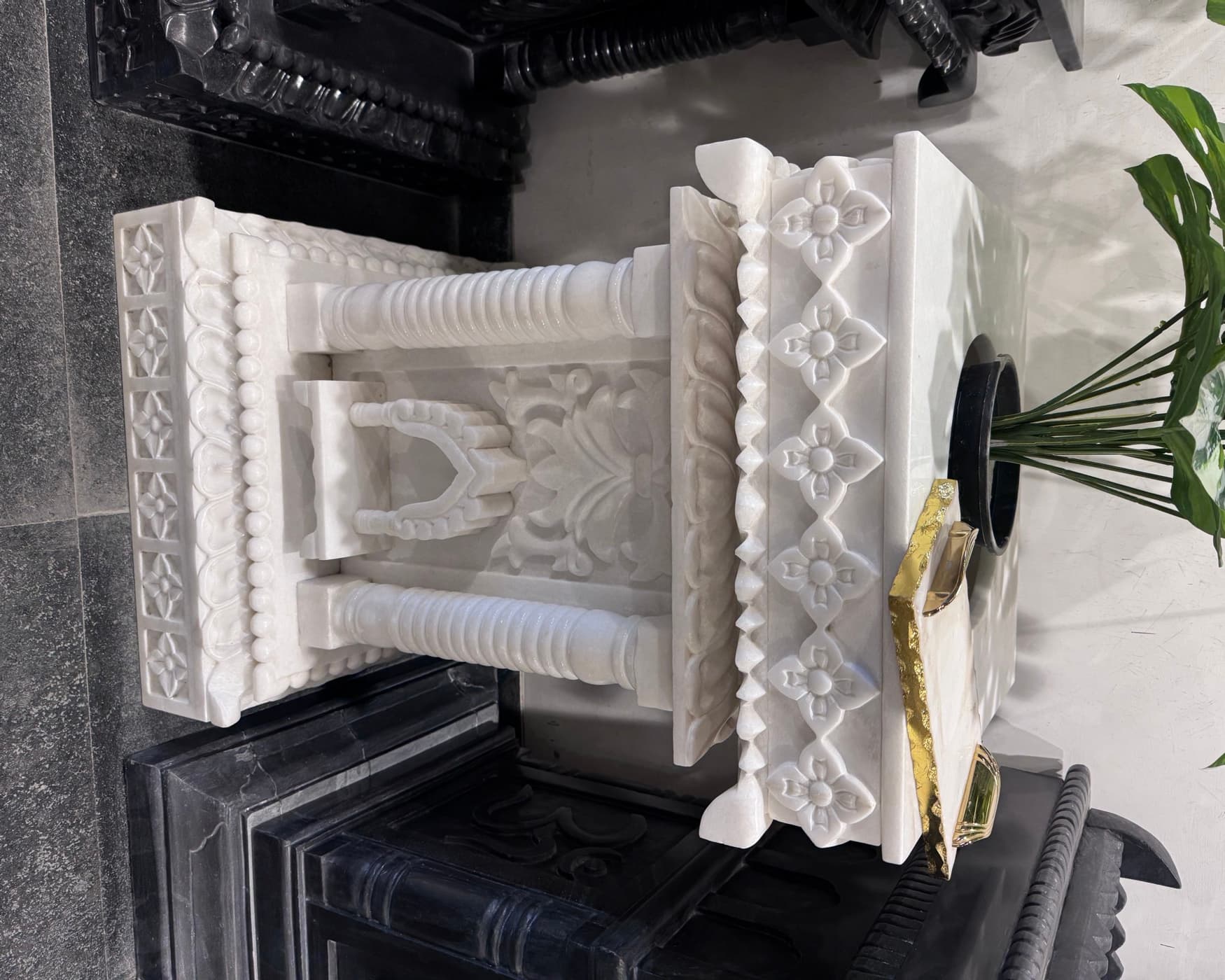
A raised tulsi mandap keeps the plant at a dignified height for daily puja and watering. South-facing placement is traditionally avoided.
Elephants, guardian lions and the tortoise
A pair of elephants with raised trunks is traditionally placed at the main entrance, facing outward, to welcome good fortune and protect the home. A single elephant in the North or the living room is associated with strength and stability.
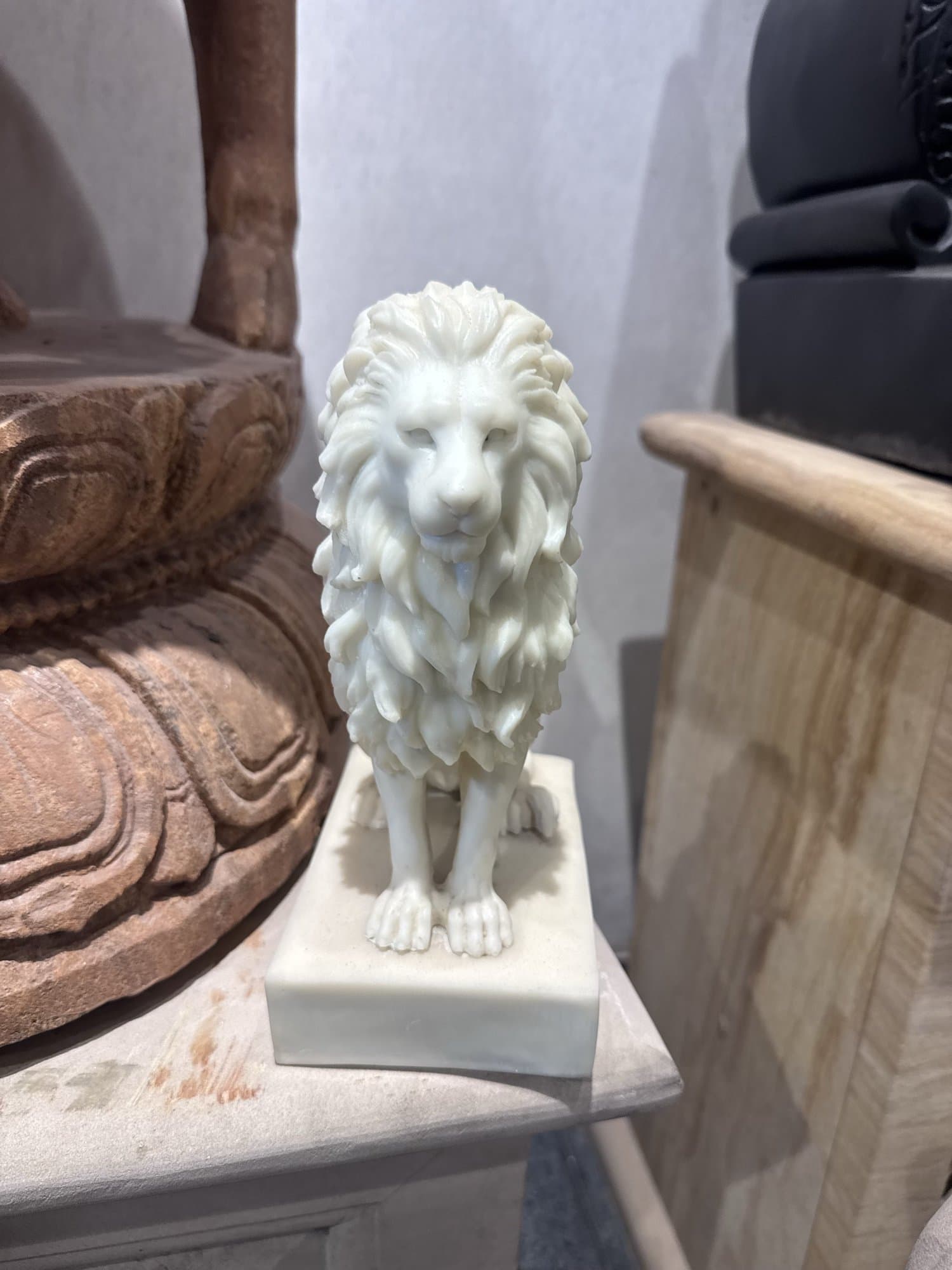
Guardian lions are placed as a pair on either side of the entrance, also facing outward, to guard the home.
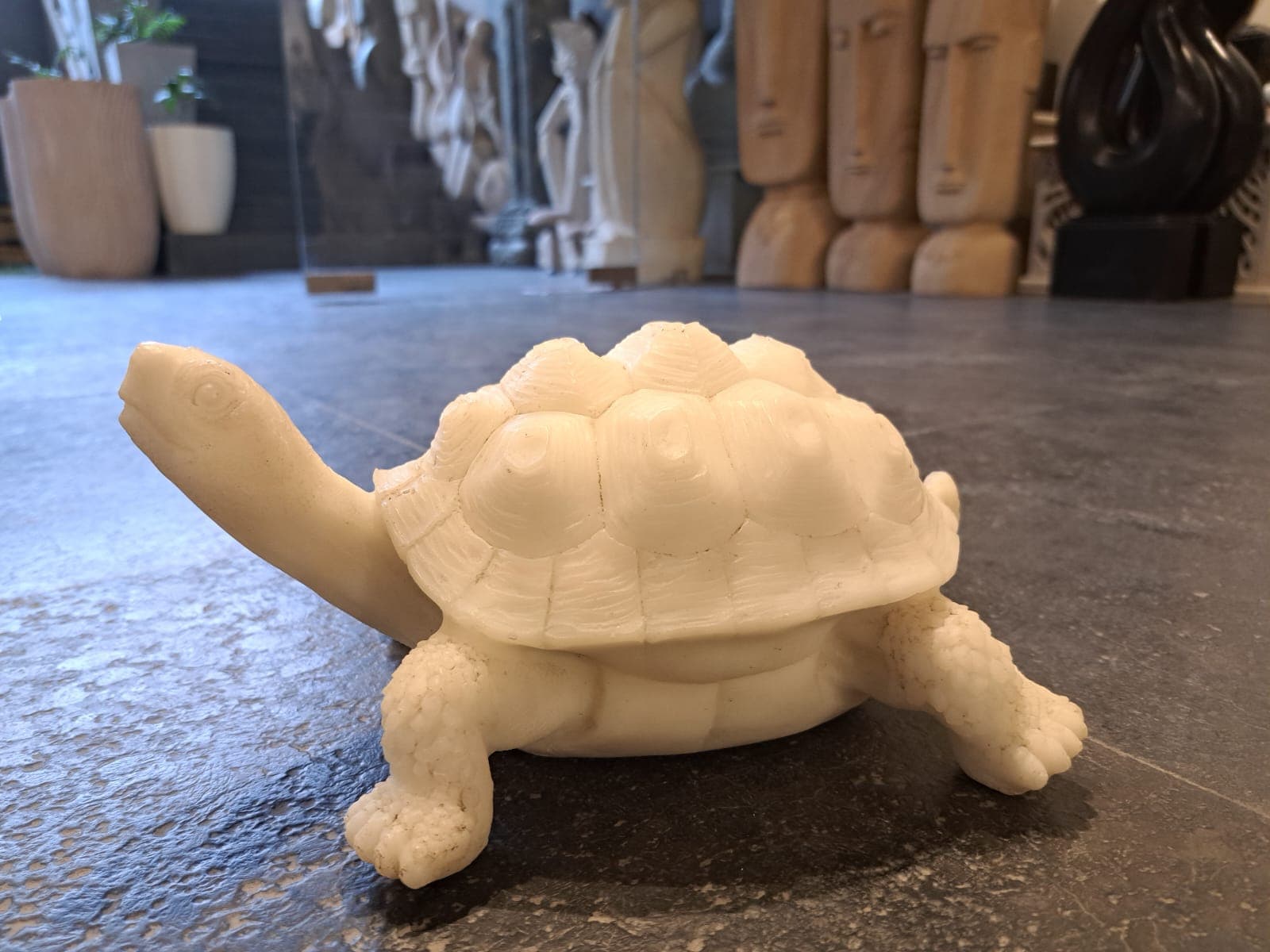
The tortoise is one of the most auspicious symbols in Vastu, linked with longevity and steady growth. It is usually kept in the North of the home or office, facing inward.
Browse animal statues →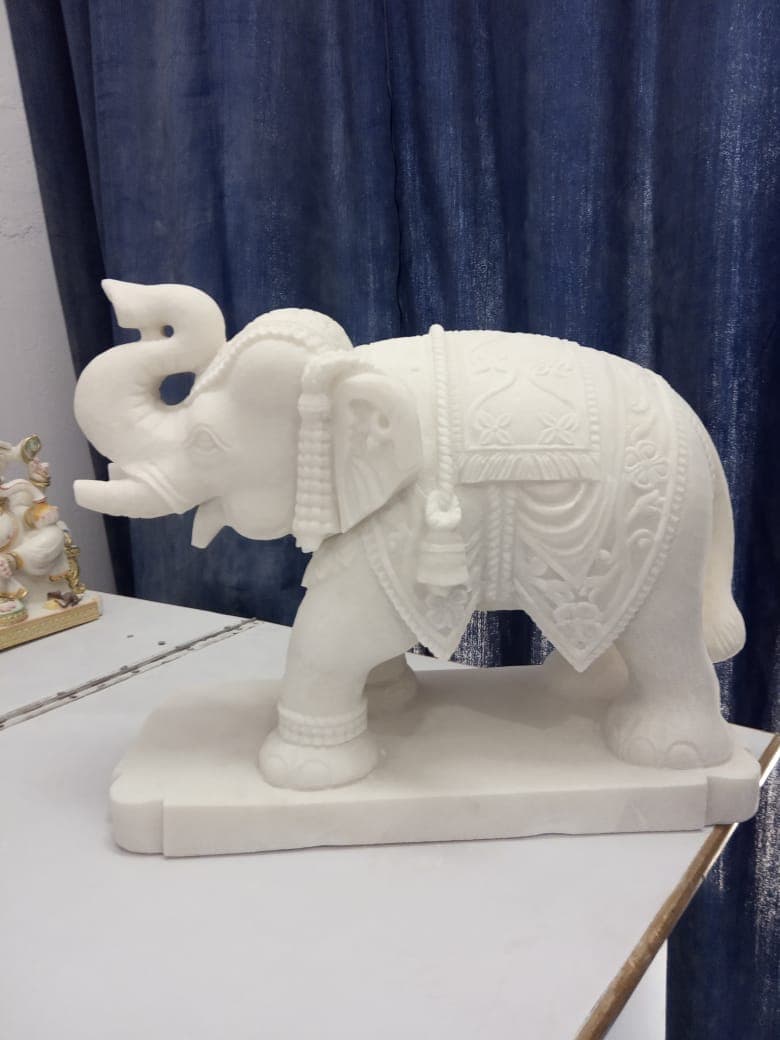
Water features, fountains and urli bowls
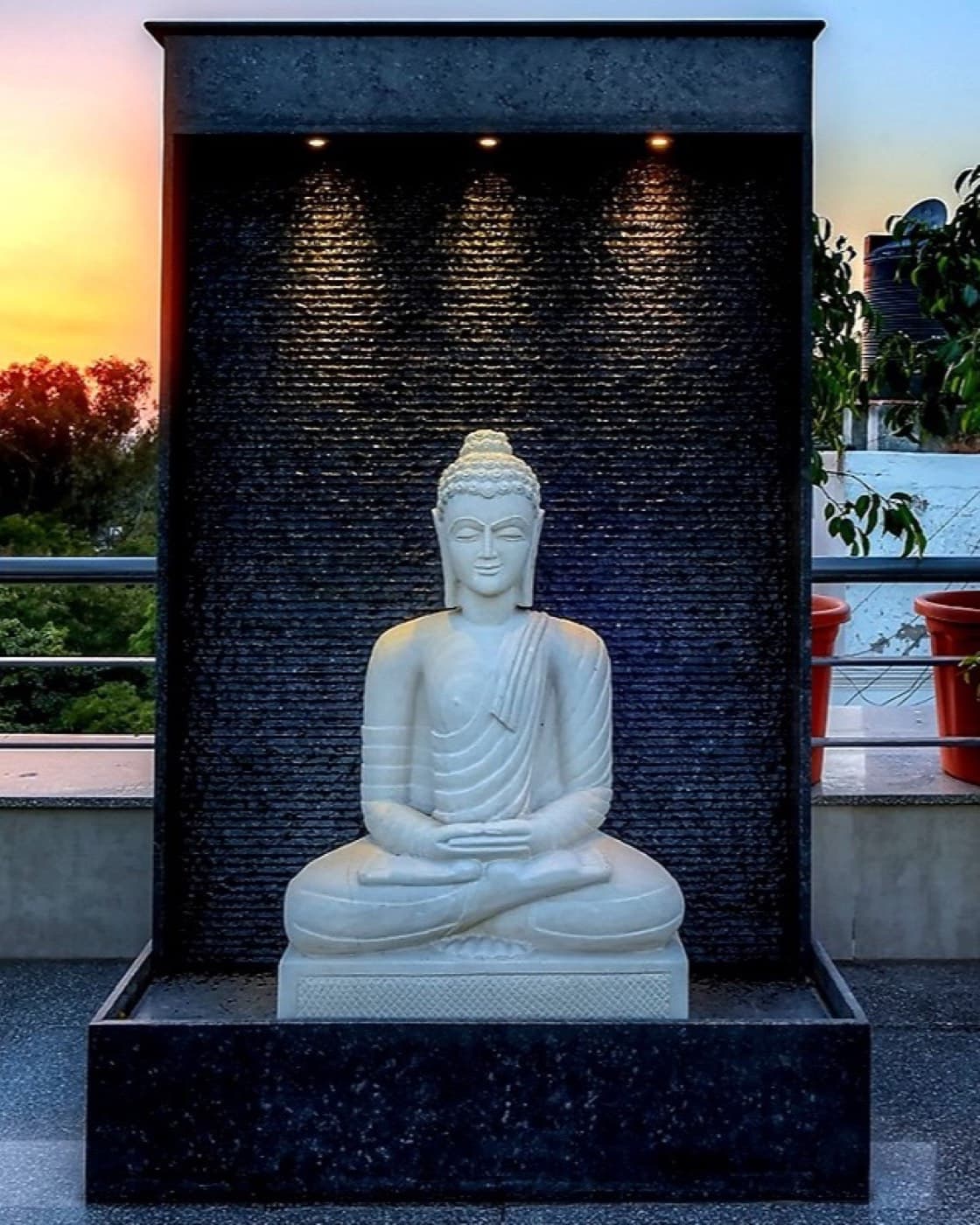
Water belongs to the Northeast. Fountains, urli bowls with floating flowers and other water vessels are traditionally placed in the Northeast of the home, garden or room.
Position a fountain so the water flows toward the home, never toward the front door or away from the property — flowing water is associated with the flow of prosperity, and it should stay with the household. Keep water clean and moving; still, stale water is considered unfavourable.



Lamps, candles and lanterns
Fire rules the Southeast (Agneya) corner. Lighting a diya, candle or lantern there — or beside the home mandir — is believed to energise the home and clear stagnant energy.
Avoid keeping open flames in the Northeast, the corner reserved for water.
Plants and planters
Healthy green plants in the North or East are associated with growth and fresh energy. Planters flanking the main entrance are a classic auspicious arrangement.
Remove dry or dying plants promptly, and keep heavy planters toward the South or West of a garden if you want to keep the Northeast open.

Vastu placement at a glance
| Piece | Preferred direction | Good rooms | Traditionally avoided |
|---|---|---|---|
| Buddha statue | North or Northeast, facing the entrance | Living room, foyer, meditation corner, garden (Northeast) | Floor, bathroom, kitchen, under stairs |
| Ganesha murti | Northeast, North or West | Pooja room, entrance (facing in) | Bedroom, bathroom wall |
| Radha Krishna | Northeast, facing East or West | Pooja room, living room | Bedroom |
| Home mandir | Northeast; deities face East or West | Dedicated pooja space | Under stairs, bathroom wall, bedroom |
| Tulsi mandap | East, North or Northeast | Courtyard, balcony with morning sun | South |
| Elephants / lions | Main entrance, facing outward | Entrance, living room (North) | — |
| Tortoise | North, facing inward | Home or office | — |
| Fountain / urli | Northeast, water flowing inward | Garden, entrance, living room | Water flowing out of the home |
| Lamp / lantern | Southeast | Beside the mandir, living room | Northeast |
| Plants | North or East | Entrance, balcony, garden | Dry or dying plants |
Common questions
Which direction should a Buddha statue face according to Vastu?
Vastu tradition places a Buddha statue in the North or Northeast of the home, usually facing the main entrance. In a garden, a Buddha in the Northeast corner is turned to face the house.
Can I keep a Buddha statue in the bedroom?
Most Buddha statues are traditionally kept out of the bedroom. A restful or sleeping Buddha figure is the usual exception, as it is associated with calm and rest.
Can a Buddha statue be placed on the floor?
It is traditionally avoided. Place the statue on a stand, table or plinth so it sits at or above eye level when you are seated.
Where should Ganesha be placed at home?
In the Northeast, North or West — ideally in the pooja room or near the main door, facing the entrance from inside. Bedrooms and walls shared with a bathroom are traditionally avoided.
Which is the best direction for a home mandir?
The Northeast (Ishan) corner, with the deities facing East or West. Avoid placing the mandir under a staircase, against a bathroom wall or in the bedroom.
Where should a water fountain go according to Vastu?
In the Northeast of the home or garden, positioned so the water flows toward the house rather than toward the front door or away from the property.
Vastu Shastra is offered here as traditional cultural guidance, not a guarantee of any outcome. Practices vary between families and regions — follow the customs that feel right for your home.